
Workshop Report: Justice Advocacy and Human Rights
Location: Adré, Republic of Chad
Duration: Two days
Organized by: Doroty Center for Justice and Accountability
Participants: 20 young women and men representing youth-led initiatives and organizations working in refugee camps in eastern Chad.
Introduction.
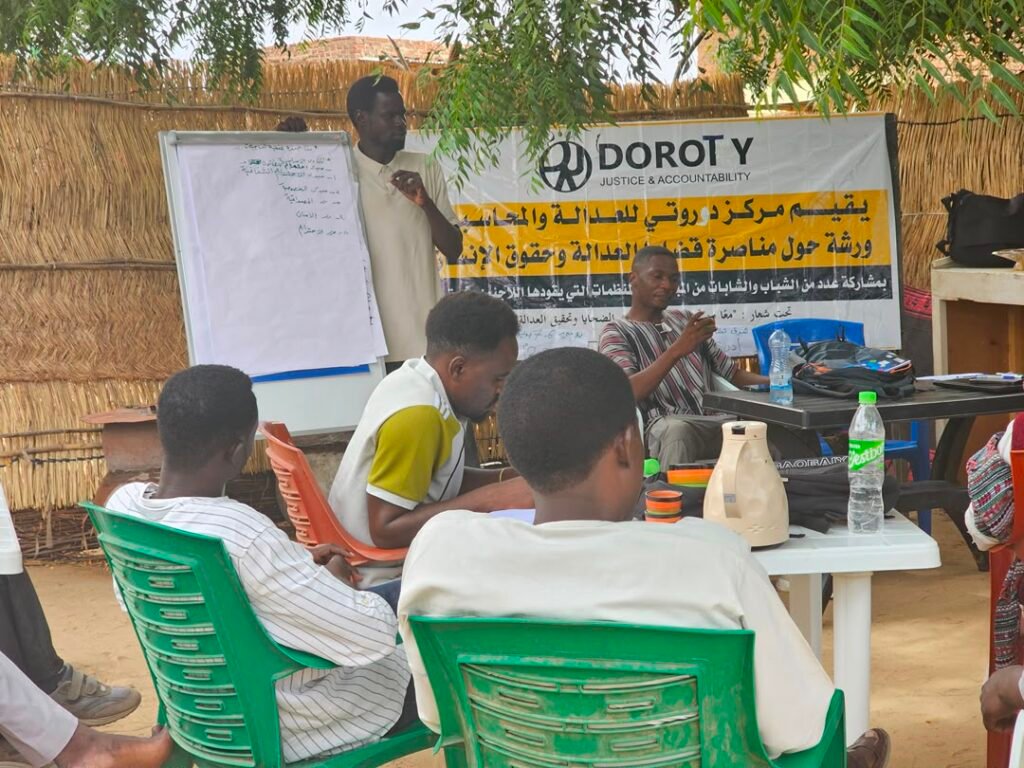
As part of its efforts to strengthen youth capacities in the areas of human rights and advocacy, the Doroty Center for Justice and Accountability organized a two-day training workshop entitled “Justice Advocacy and Human Rights” in Adré, Chad. The workshop brought together young women and men from community-based initiatives and organizations working in refugee camps in eastern Chad.
The workshop aimed to strengthen participants’ understanding of advocacy and human rights concepts and to develop their skills in human rights monitoring and documentation, thereby contributing to community-led efforts to protect rights and promote accountability.
Day One: Advocacy and Its Mechanisms.
The first day focused on introducing the concept of advocacy, its objectives, forms, and approaches. The sessions also explored practical examples and linked advocacy concepts to issues affecting refugees and the challenges faced by human rights defenders.
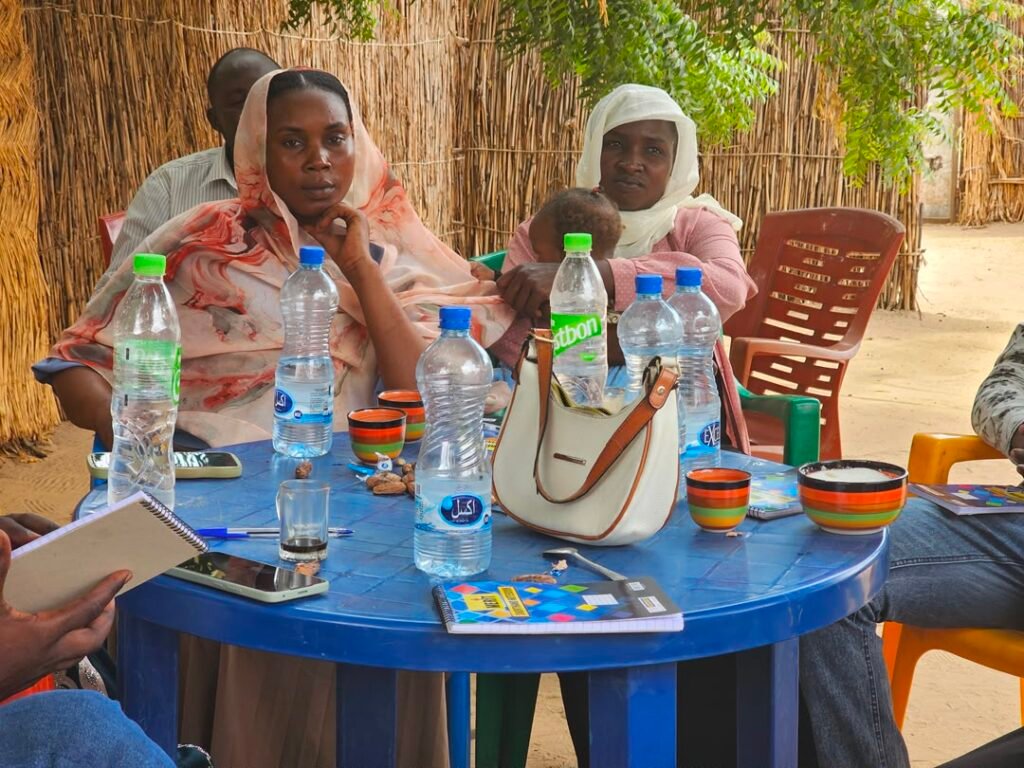
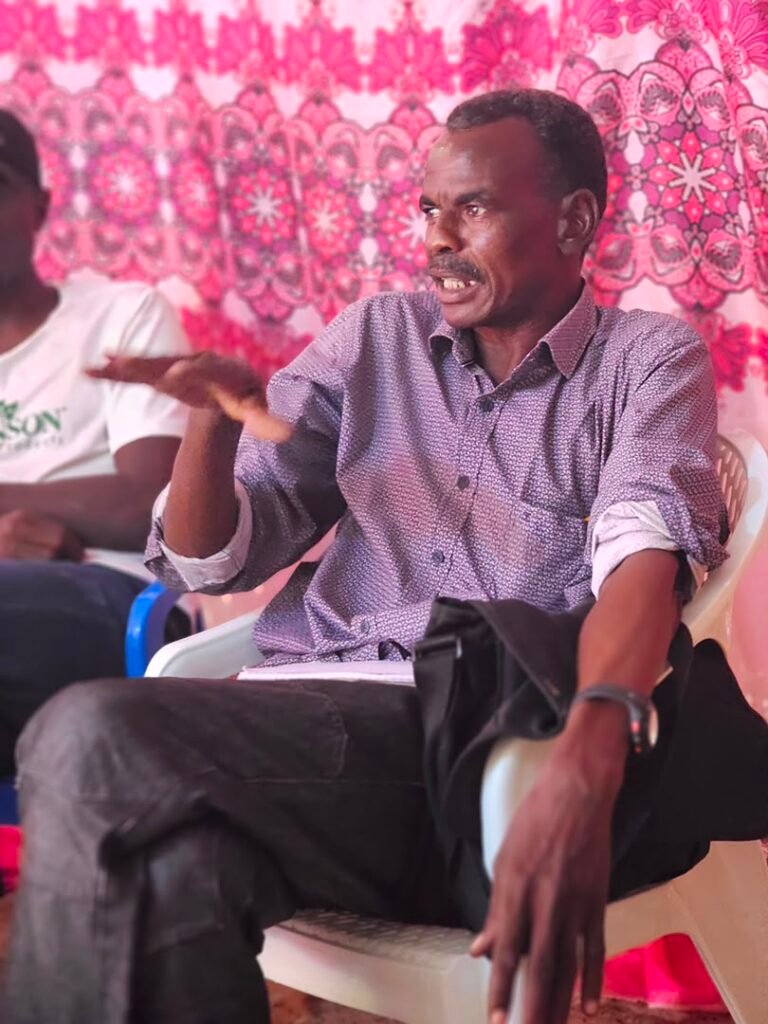
The sessions were highly interactive, with participants engaging in open discussions and sharing experiences and perspectives drawn from their diverse backgrounds. Participants were also divided into working groups to discuss the key principles required for successful advocacy campaigns.
Key Outcomes of Day One.
Strengthened participants’ understanding of the theoretical and practical dimensions of advocacy.
Increased awareness of the importance of advocacy and its role in promoting positive change.
Discussion of key principles of advocacy, including:
1. Confidentiality and follow-up.
2. Transparency and justice.
3. Protection and safety.
4. Respect for human dignity and non-discrimination.
Day Two: Human Rights, Monitoring and Documentation
The second day focused on the principles of human rights. Participants exchanged their knowledge and experiences, while legal professionals delivered a presentation on international human rights law and explained its distinctions from other relevant areas of law.
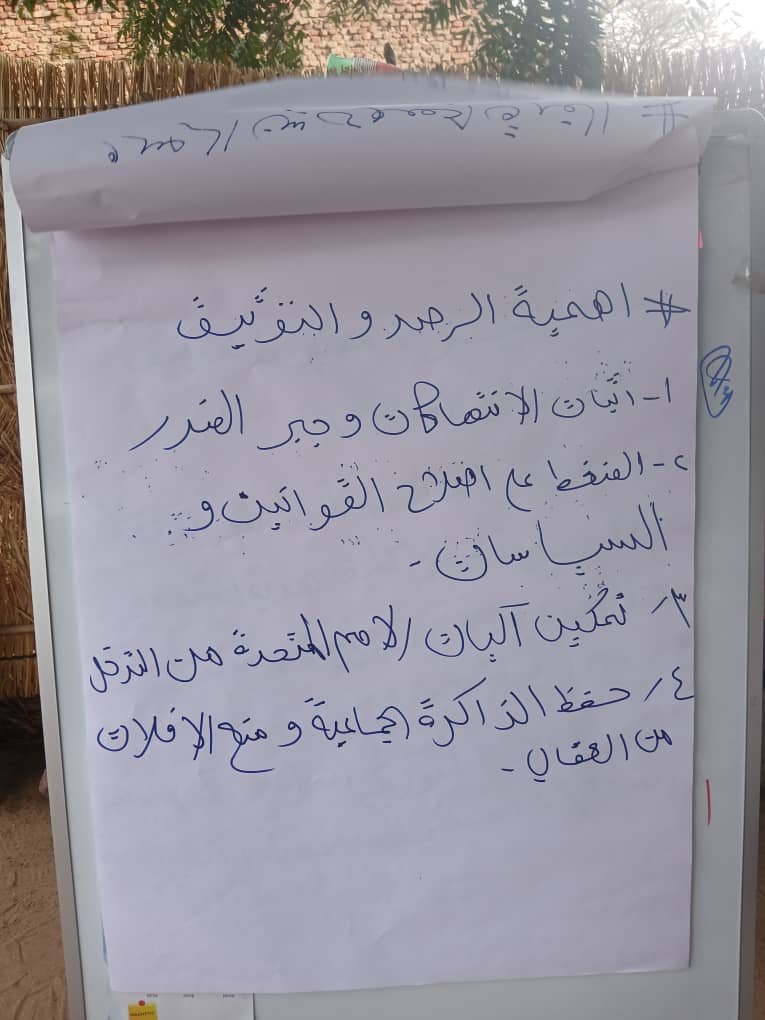
The workshop also addressed the concepts of human rights monitoring and documentation, their objectives, and their importance in documenting human rights violations in accordance with professional standards.
The sessions included practical guidance on the documentation process, beginning with obtaining informed consent, followed by collecting essential information from victims or witnesses, and concluding with the importance of answering the six basic questions: Who? What? When? Where? Why? and How? This approach helps ensure that information is accurate, reliable, and complete.
Overall Results.
The workshop placed a strong emphasis on practical learning and interactive discussions. It contributed to strengthening participants’ knowledge and skills in advocacy, human rights monitoring, and documentation, while also providing an opportunity for young people working with community-based initiatives and organizations to exchange experiences.
Participants’ Recommendations.
Participants made a number of recommendations, including:
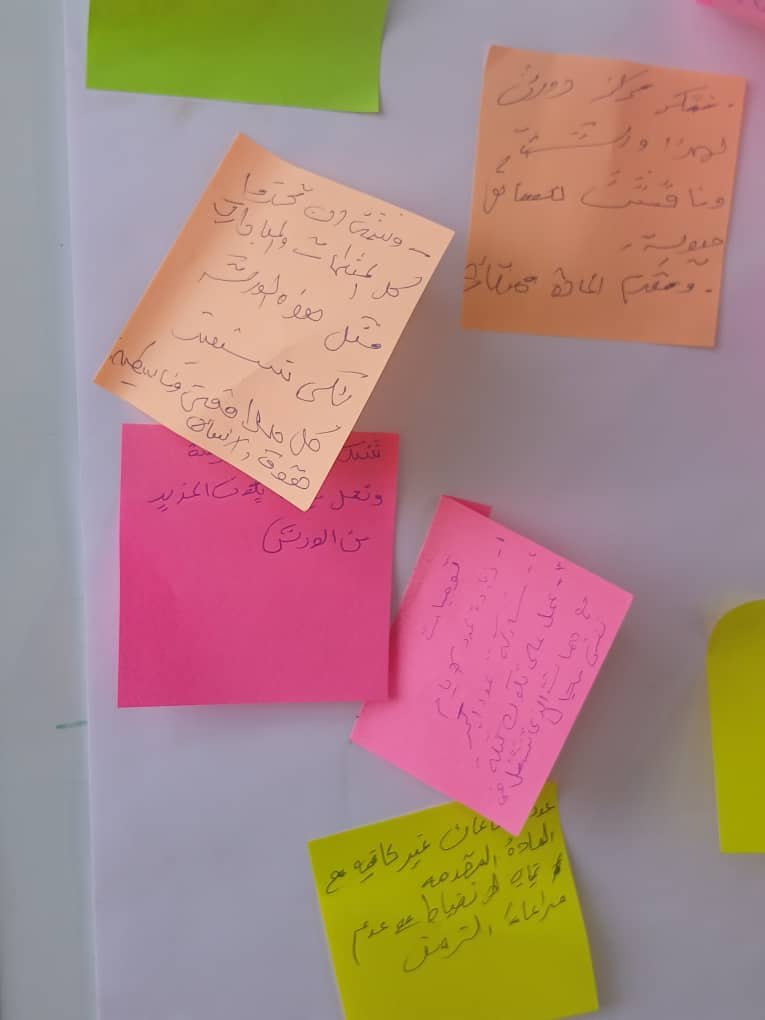
* Expanding training programs on monitoring and documentation in response to the growing need for these skills in the current context.
* Extending the duration of future workshops to allow more time for practical exercises and application.
* Involving community leaders, including refugee camp elders and representatives of youth and women, in future training programs to strengthen their impact and sustainability.
Conclusion.
The Doroty Center for Justice and Accountability reaffirms its commitment to continuing capacity-building programs, promoting a culture of human rights, and supporting youth-led initiatives. These efforts aim to contribute to strengthening the values of justice and accountability and protecting human rights among refugee and conflict-affected communities.